Ceramic Additive Manufacturing
Ceramic additive manufacturing enables the fabrication of complex ceramic components by layering material through digital processes. It works by depositing ceramic particles using methods such as stereolithography, binder jetting, or material extrusion. Once shaped, parts undergo sintering to gain their final mechanical properties.

What sets ceramic AM apart from other forms of additive manufacturing is the extreme material properties of ceramics themselves. Technical ceramics—those engineered for high-performance applications—are particularly difficult to machine or shape using conventional methods due to their hardness, brittleness, and thermal resistance. AM changes that game, enabling the production of intricate, highly durable parts for aerospace, healthcare, industrial, and energy sectors.
The benefits of ceramic AM include the ability to produce lightweight structures with high strength-to-weight ratios, exceptional thermal and chemical resistance, and minimal tooling costs. For industries operating in demanding environments—such as jet engines, space missions, and medical implants—ceramic AM is fast becoming an indispensable technology.
The current ceramic AM market opportunity is sharply focused on technical ceramics rather than traditional materials like clay or terracotta. Why? Because traditional ceramics, although easy to work with, lack the mechanical properties needed for high-performance industrial applications. In contrast, technical ceramics such as alumina, zirconia, and silicon nitride exhibit superior strength, chemical inertness, and thermal stability.
These characteristics make technical ceramics ideal for use in aerospace engines, dental implants, surgical tools, fuel cells, semiconductors, and high-temperature tooling. Technical ceramics often represent a “last resort” material—used only when no other substance can withstand the operational environment. For instance, they might replace metals that melt or deform under extreme heat or polymers that degrade under corrosive conditions. Their adoption is accelerating thanks to ceramic AM, which finally makes complex technical ceramic components economically viable to produce at small to medium scales.
Companies like Bosch Advanced Ceramics, Kyocera, Alumina Systems, and CeramTec are increasingly investing in ceramic AM, offering proprietary materials and services to meet growing demand. Their participation marks a pivotal shift from research to commercialization, underscoring the expanding relevance of technical ceramics in next-generation manufacturing.
Understanding the ceramic AM market requires a clear distinction between traditional and technical ceramics. Traditional ceramics, including pottery, porcelain, and bricks, have been in use for centuries. They’re cheap, easy to form, and primarily used for aesthetic or structural purposes. Although some of these can be 3D printed using clay extrusion, they don’t hold much weight commercially in the context of high-end industrial AM.
Technical ceramics, on the other hand, are high-purity, engineered materials known for their exceptional performance characteristics. They exhibit extreme hardness, making them ideal for high-stress applications. These ceramics are also highly resistant to thermal shock, allowing them to withstand rapid temperature changes without cracking. Additionally, they possess high compressive strength and can either insulate or conduct electricity, depending on their specific composition. Their excellent corrosion and wear resistance further enhances their suitability for demanding industrial environments.
Market overview
According to VoxelMatters’ latest Ceramic AM Market report, as of 2024, the global technical ceramic additive manufacturing market is valued at just under $166 million, combining revenue from hardware, materials, and services. This figure represents a tipping point. The industry has transitioned from R&D and prototyping to commercial-scale production, particularly for final-use parts in industrial, dental, and medical applications.


Out of this total, vat photopolymerization (VPP) technology dominates both in volume and revenue. It accounted for 76.6% of all printed parts in 2024, totaling nearly 128,000 units, and generated $40 million in revenues. Jetting (material jetting and binder jetting) and extrusion technologies followed, producing over 32,000 and 6,800 parts, respectively. Revenues from jetting totaled $16.7 million, while extrusion-based systems generated approximately $2.6 million.
Looking ahead, and considering the enormous addressable market for ceramic manufacturing, the ceramic AM market is poised to surge to nearly $2.5 billion by 2034, growing at an impressive 31.2% CAGR. Hardware is expected to grow to over $1 billion, supported by continued investment and system upgrades. Material sales are projected to reach $446 million, driven by increased material consumption and the expansion into more affordable options. Services, the fastest-growing segment, are expected to exceed $1 billion, with a 32.7% CAGR, fueled by outsourcing trends and demand for finished parts.
Key trends in the ceramic AM ecosystem
Ceramic additive manufacturing hardware forms the foundation of the entire ecosystem. These machines are designed to handle highly abrasive and chemically inert ceramic materials while maintaining extreme precision. As of 2024, the market is largely dominated by vat photopolymerization (VPP) hardware, followed by binder jetting (JET) and material extrusion (MEX) systems.
VPP hardware remains the industry standard for high-precision parts, especially in the dental and medical fields. JET (material jetting and binder jetting) and MEX systems are expanding in both affordability and throughput. Material extrusion is gaining traction due to its simplicity and cost-effectiveness. Some of the most evident overall trends in hardware evolution highlight multi-material capabilities, larger build volumes for producing large parts or batches, automation integrations, including material loading, part removal, and quality assurance, as well as closed-loop systems with real-time monitoring to ensure consistency in sintering and shaping processes.
The bulk of the current ceramic AM materials market revolves around oxide ceramics, especially alumina (Al₂O₃) and zirconia (ZrO₂). These two materials account for the majority of ceramic parts due to their superior hardness, wear resistance, and biocompatibility. In slurry form, these materials are dominant in VPP applications, supplied by Lithoz, 3DCeram, and others. Powder materials are used in binder jetting, offered by ExOne (now Nano Dimension), voxeljet, Concr3de and other powder AM specialists.
Ceramic AM services represent the fastest-growing segment of the industry, and for good reason. Many companies—especially small and medium-sized manufacturers—lack the expertise, capital, or equipment to implement ceramic AM in-house. Enter service providers. These companies offer design-to-production services using their proprietary hardware, software, and materials. The shift from hardware sales to service-based business models highlights the maturing ecosystem, where value creation is increasingly tied to application expertise and delivery capacity.
Latest news:
-

Hydrogel photopolymerization method yields low-shrinkage ceramic and metal 3D structures
A team of researchers at EPFL has demonstrated a new method for producing high-density ceramic and metal structures using vat photopolymerization (VP) with significantly reduced shrinkage [link to full study].…
-
Nanoe introduces ZrB₂-SiC composite for aerospace and defense applications
Nanoe is expanding into the ultra-high-temperature ceramics (UHTC) market with the release of a new ZrB₂-SiC composite designed for extreme aerospace and defense conditions. The material, composed of 80% zirconium…
-
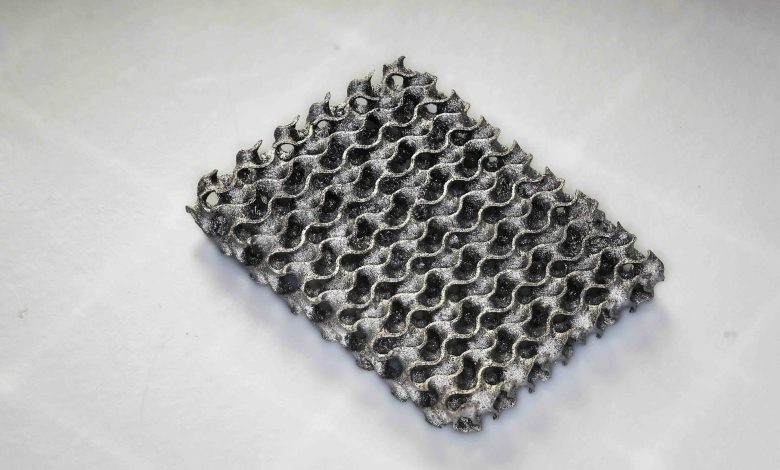
EPFL researchers 3D print ultra-strong materials
According to EPFL, researchers have pioneered a 3D printing method that ‘grows’ metals and ceramics inside a water-based gel, resulting in exceptionally dense, yet intricate constructions for next-generation energy, biomedical,…
-
CERAM PRO fits the bill for semiconductor sector
In the semiconductor industry, technical ceramics have long played an important role, offering beneficial properties like high thermal stability and electrical insulation necessary in applications like wafer carriers, vacuum chucks…
-
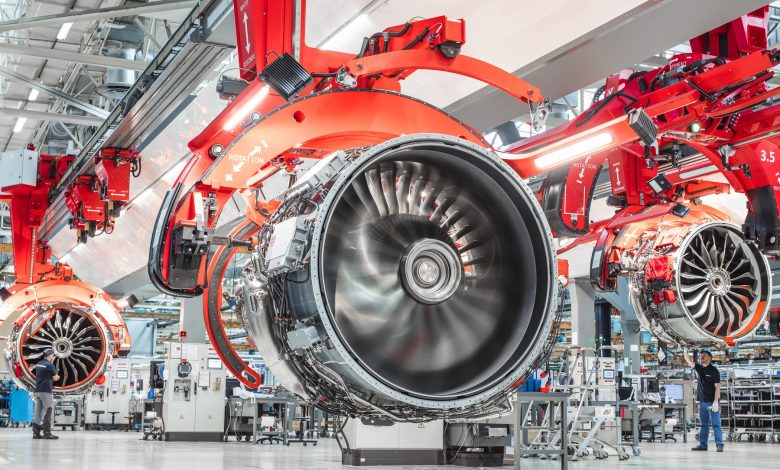
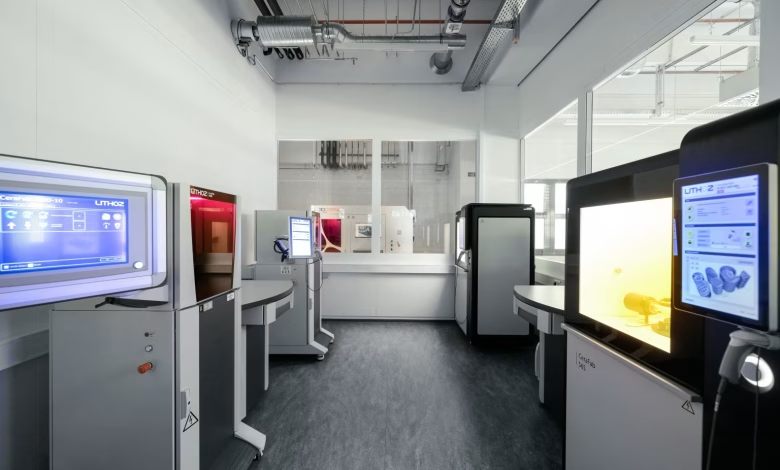
Safran installs 3 CeraFab S65 ceramic printers from Lithoz to produce cores
Safran has acquired and installed three Lithoz’s CeraFab System S65 printers at Safran Aircraft Engines Gennevilliers, near Paris. This investment will enable the French engine manufacturer to build up the…
-
Bosch Advanced Ceramics achieves 115% year-on-year growth
Bosch Advanced Ceramics, a leading producer of 3D printed technical ceramic components, has announced strong sales results at the close of the third quarter of 2025. For the full fiscal…
-
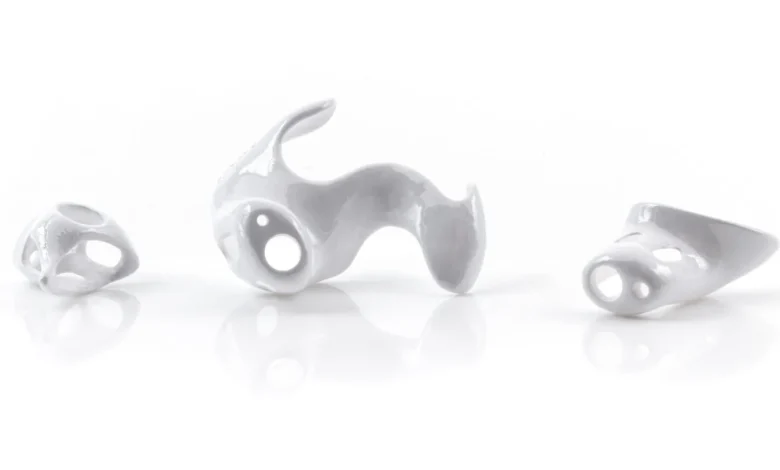
OC GmbH and CADdent 3D print patient-specific earmolds
OC GmbH, a Swiss premium manufacturer of otoplastics and hearing protection, and CADdent, a German service provider, have achieved a breakthrough in 3D printed patient-specific earmold (otoplastics) production. Utilizing Lithoz’s…
-
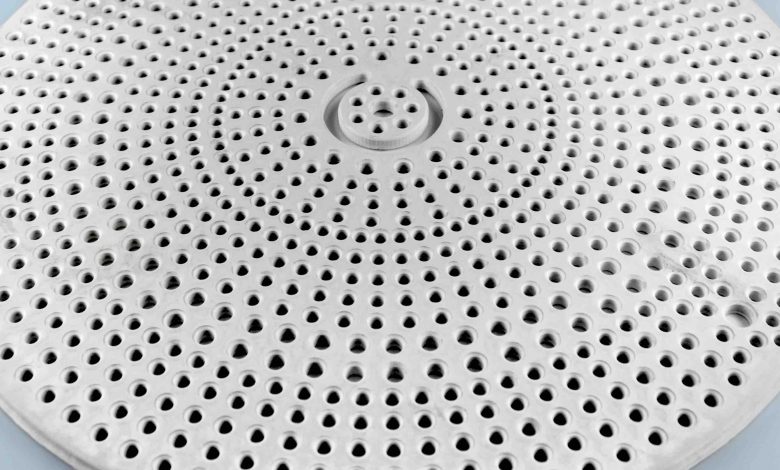
C1000 FLEXMATIC: scaling ceramic additive manufacturing with AlN and Si₃N₄
We’ve followed the trajectory of ceramic additive manufacturing closely over the years, watching as the technology has evolved from a predominantly R&D-based process to an industrially viable production method. This…
-

HRL Laboratories and Prodways advance SiOC ceramic 3D printing
A collaboration between HRL Laboratories, a research company jointly owned by General Motors and Boeing, and Prodways, a leading additive manufacturing company, is pushing materials science into new territory. By…
-

Ceramic 3D printing enables next-generation chemical reactors
Scientists at the US Department of Energy’s Oak Ridge National Laboratory have integrated binder jet additive manufacturing with an advanced post-processing method to fabricate leak-tight ceramic components, overcoming a key…


